 Kelly Cooper
A power of attorney (PoA) is one of the most important legal instruments an individual can issue. It grants someone else the authority to act on their behalf in a variety of legal, financial, or medical matters. Whether you’re authorizing someone to manage property abroad, handle international bank accounts, or make healthcare decisions in your absence, a power of attorney is a document of trust and consequence. But when this document crosses borders and languages, translation becomes more than helpful—it becomes absolutely essential.
In many legal systems, a power of attorney must be submitted in the official language of the court or administrative body processing it. Whether you’re dealing with international property transactions, consular services, cross-border litigation, or inheritance cases, the PoA must be accurately translated and, in most cases, certified. Without a reliable translation, the document may be rejected or deemed invalid, delaying or derailing critical actions. Translation errors can introduce ambiguities that call the entire authorization into question, especially in high-stakes scenarios involving real estate, corporate representation, or family law.
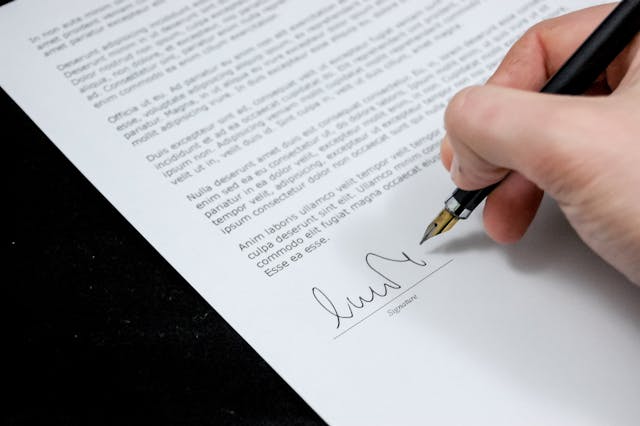 The complexity of a power of attorney means that its translation is not simply a matter of substituting words from one language to another. Each jurisdiction has its own legal vocabulary and structure for this kind of document. In civil law countries, for example, notarized forms and very formal phrasing are typical. In common law jurisdictions, different levels of authority—general, special, or durable PoAs—carry legal weight that must be preserved during translation. Only trained legal translators understand how to accurately render these distinctions in the target language.
For these reasons, working with experienced professionals like traduscript.com is not just smart—it’s necessary. Their team of certified legal translators understands how to translate PoA documents in a way that aligns with the legal systems of both the source and destination countries. From linguistic fidelity to formatting compliance, they handle every element of the process to ensure the translated document will be accepted by courts, notaries, and government agencies. They know that a power of attorney is not just a legal form—it’s a tool that facilitates life decisions and must be treated with the highest standard of care.
There are several types of power of attorney, and each one brings its own translation challenges. A general PoA gives broad authority, while a special PoA limits the representative’s power to specific tasks. A medical PoA gives someone the ability to make health-related decisions, and a durable PoA remains in effect even if the grantor becomes incapacitated. Translating these distinctions clearly is critical because the legal implications differ significantly. A mistake in this area can create confusion or grant unintended authority, with serious consequences.
Moreover, PoA documents often include legal jargon, references to specific laws, and jurisdictional clauses. A competent translator must recognize whether these legal references should be retained, adapted, or annotated for clarity. For example, translating a document intended for use in France from English must take into account not just the language but also the difference in legal framework. This is why using a certified translator with legal expertise is essential for this kind of work.
Another crucial aspect of PoA translation is formatting. In many jurisdictions, the translated document must mirror the structure of the original exactly. This includes maintaining clause numbering, line spacing, and alignment of key elements such as dates, signatures, and stamps. The goal is to ensure that anyone comparing the two documents can immediately identify corresponding parts. Discrepancies in formatting can cast doubt on the validity of the translation, leading to administrative or legal pushback from the receiving authority.
It’s also common for translated PoAs to require certification or notarization. Depending on the country and institution, the translation may need to be signed by the translator, include a statement of accuracy, or be accompanied by a sworn affidavit. In countries like Germany, Italy, or Spain, sworn translation is a legal requirement. In the United States or UK, certified translations by qualified professionals are usually sufficient. Understanding the exact legal expectations in the destination country is part of the translator’s role.
Timing is another consideration. Many people need to present a translated PoA under tight deadlines—during a property transaction, a court hearing, or a medical emergency abroad. Working with a professional agency means having the peace of mind that your document will be delivered on time, and that it will be accepted by the receiving institution. Delays in translation can mean missed opportunities or failed processes, especially when deadlines are statutory or dictated by court calendars.
Confidentiality is also paramount. A power of attorney often contains personal, financial, and sensitive information. It may name family members, describe assets, authorize financial transfers, or grant access to private data. Professional translation services implement data protection protocols to ensure that your documents remain secure. Freelancers or automated tools may lack these safeguards, putting your information at unnecessary risk.
In some cases, multiple languages are involved. For example, a Swiss resident might issue a PoA in French to be used in Italy, requiring both French-Italian and French-English translations. This multilayered process demands more than just a good dictionary—it requires legal expertise across multiple jurisdictions and a deep understanding of terminology harmonization. This level of precision can only be achieved by specialists in legal translation.
Additionally, PoAs are often reviewed by lawyers, notaries, and administrative personnel. If a translation is unclear, poorly worded, or lacks the proper certification, the document may be rejected outright or returned for revision. This introduces delay, cost, and potential embarrassment. A professional translator anticipates these issues and delivers a ready-to-submit product. It’s not just about getting the words right—it’s about making the entire document function legally and effectively.
Another benefit of working with a specialized service is terminology consistency. When multiple PoA documents are being translated—perhaps for different countries or over several years—maintaining consistency in how authority and obligations are described ensures continuity. Translation memory tools and customized glossaries are part of the professional translator’s toolkit. This consistency protects the grantor from discrepancies that could later be challenged.
Ultimately, a poorly translated power of attorney can undermine the very purpose it was meant to serve. Whether it leads to a legal challenge, a property deal falling through, or confusion over who is authorized to act, the risks are simply too high. A certified legal translator provides clarity, trust, and compliance, ensuring your intent is honored across borders.